
Gyalrong Tibetan Women,
Snow-Mountain Roses & Living Heritage
6-Day Field Experience | Xiaojin County, Sichuan, Ages 10–15, School Groups, Customisable Programme
Programme Overview
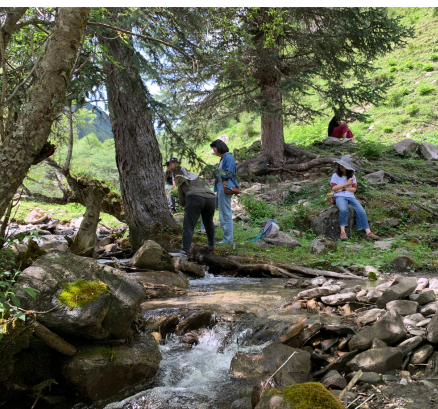
Bordering Giant Panda National Park and the UNESCO World Heritage landscapes of Mount Siguniang, Xiaojin County is one of western China's most remarkable biodiversity and cultural regions.
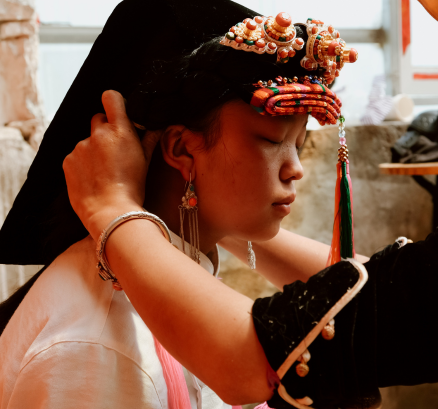
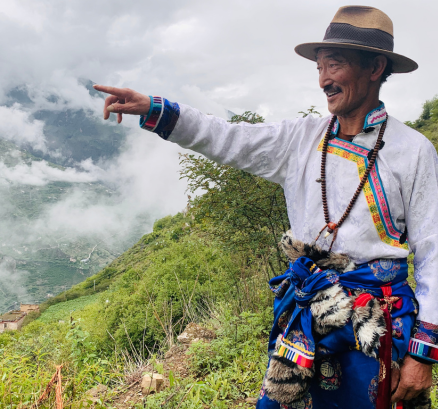
This programme explores how nature, community and creativity can inspire sustainable innovation. Through hands-on experiences with local growers, rangers, designers and Gyalrong Tibetan communities, students follow the journey of a rose from field to product, while discovering the impact of design thinking.
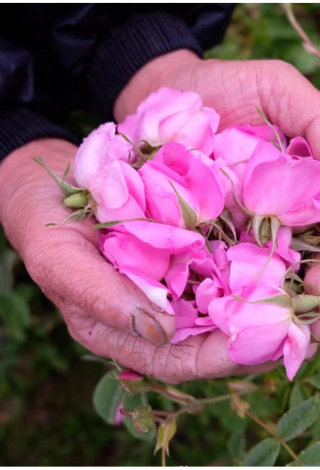
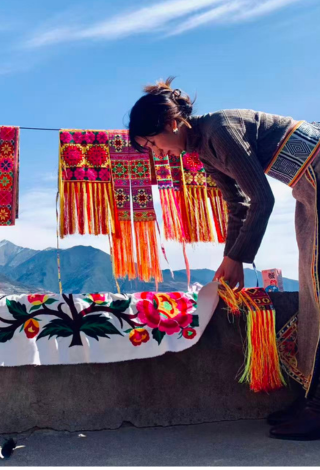
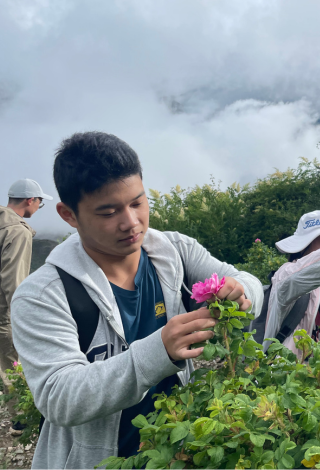
Key Highlights
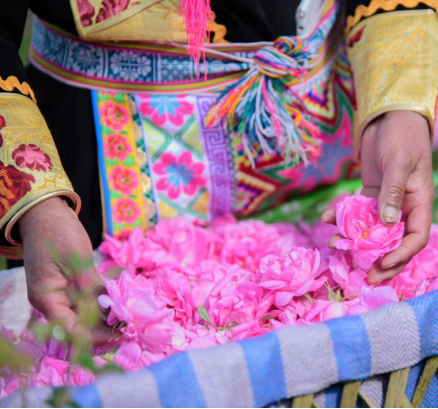
Itinerary
Safeguarding & Practical Care
The programme is designed with student wellbeing and safety in mind. All routes, venues and activities are planned in advance, with trained staff accompanying students throughout the journey.
Safety
- Staff-to-student ratio of at least 1:5
- Programme leaders, subject mentors and safety coordinators on site
- 24-hour emergency response
- Pre-inspected venues and activity plans
Licensed transport and professional drivers
Health
- Full programme insurance coverage
- Meals included, with local food experiences in Xiaojin
- Dietary requirements and allergies accommodated with advance notice
Accommodation
- Accommodation arranged in quality hotels or guesthouses, depending on location
Detailed safeguarding arrangements, insurance information and risk assessment procedures are available upon request.
FAQ
This programme is designed for students interested in design thinking, biodiversity, cultural heritage and community-based innovation.
Students may create an ecological product concept, a visual mood board, a product story and brand narrative, or a design presentation.
No prior experience is required. The programme provides guidance and support throughout.
Student safety is managed with a staff-to-student ratio of at least 1:5, 24-hour emergency response, and pre-inspected venues.
The programme includes accommodation, meals, transportation, activities, and insurance coverage.
Yes, dietary requirements and allergies can be accommodated with advance notice.
Yes, the full itinerary and fee details are available upon request through our contact form.
Ready to Learn More?
Request the full itinerary or speak to our programme team about group bookings, school partnerships and customised learning journeys.
Contact Us